
PP7 battery adapter — run vintage radios on two ordinary PP3 (9 V) batteries
Product Code: 02RHV62
£10.00 inc. tax
Many 1950s and 1960s transistor radios, portable sets and test meters were built around the Ever Ready PP7 — a 9 V layer battery also sold as 266, NEDA 1605, ANSI 1605, Varta 489, GEC BB27 and Vidor VT7. New PP7s are scarce, often old stock, and expensive.
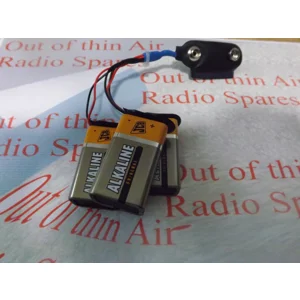
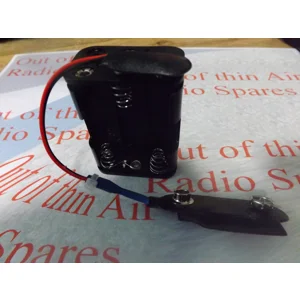
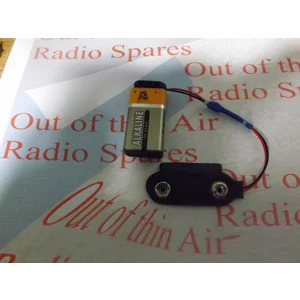
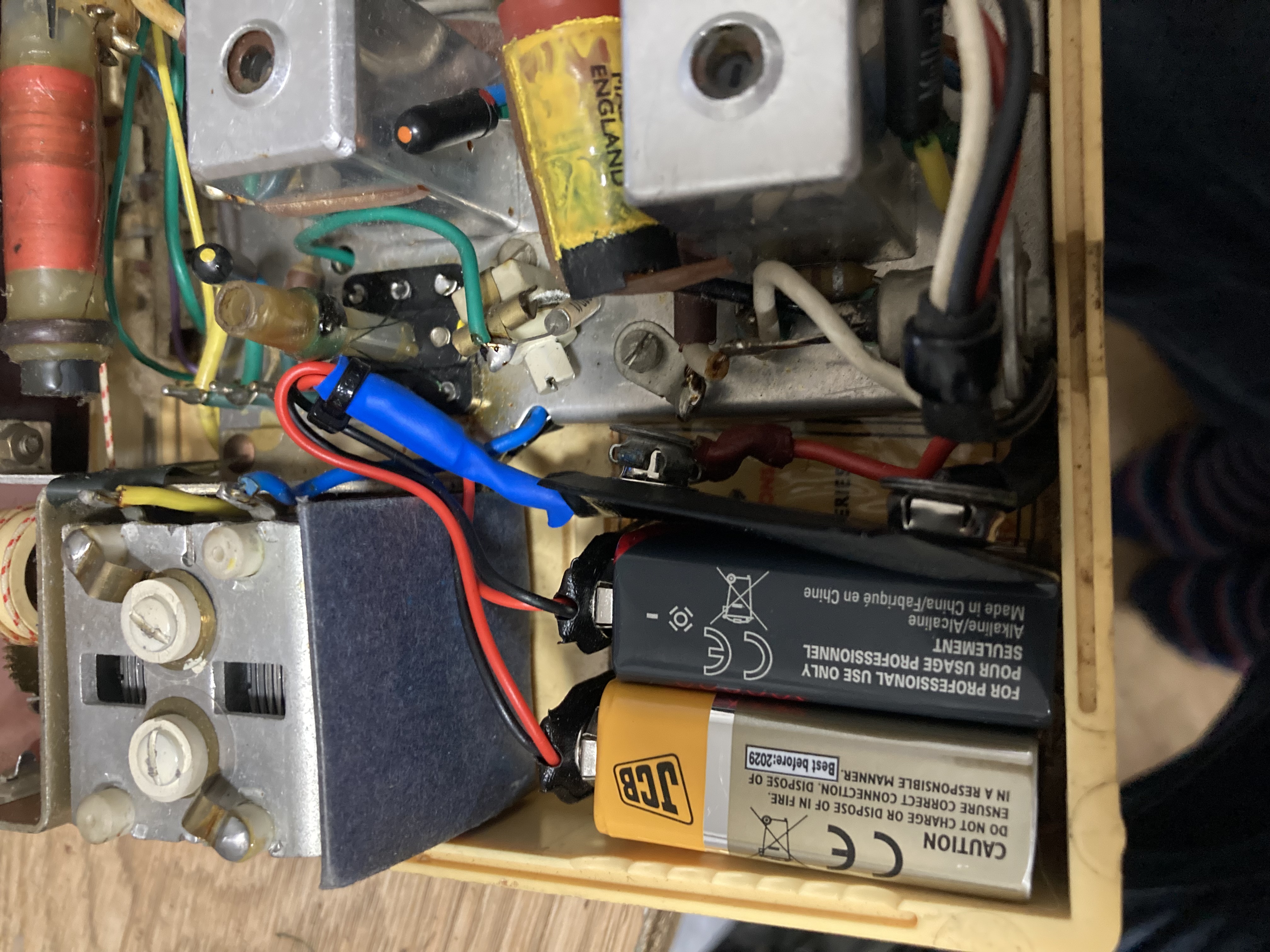
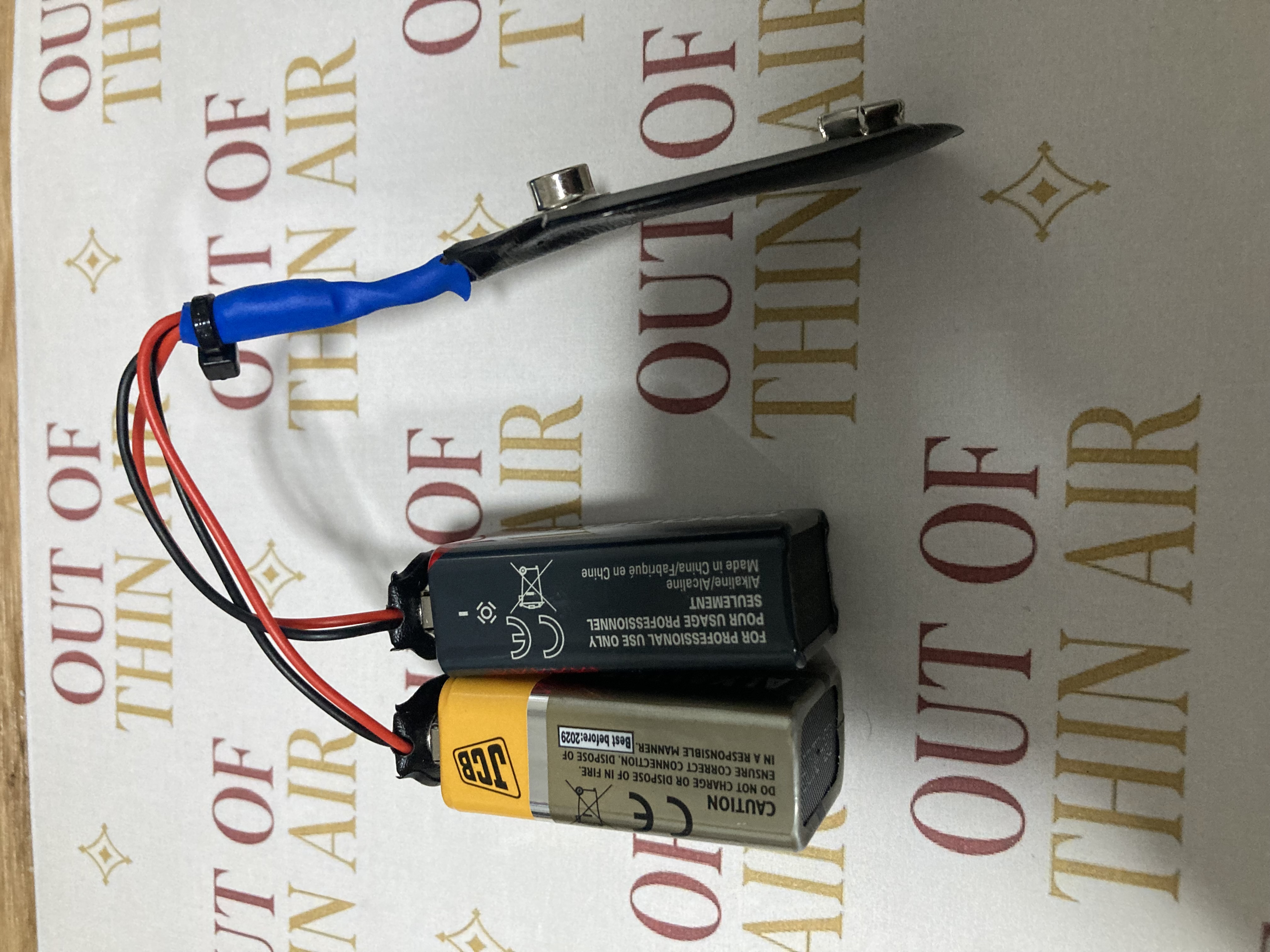
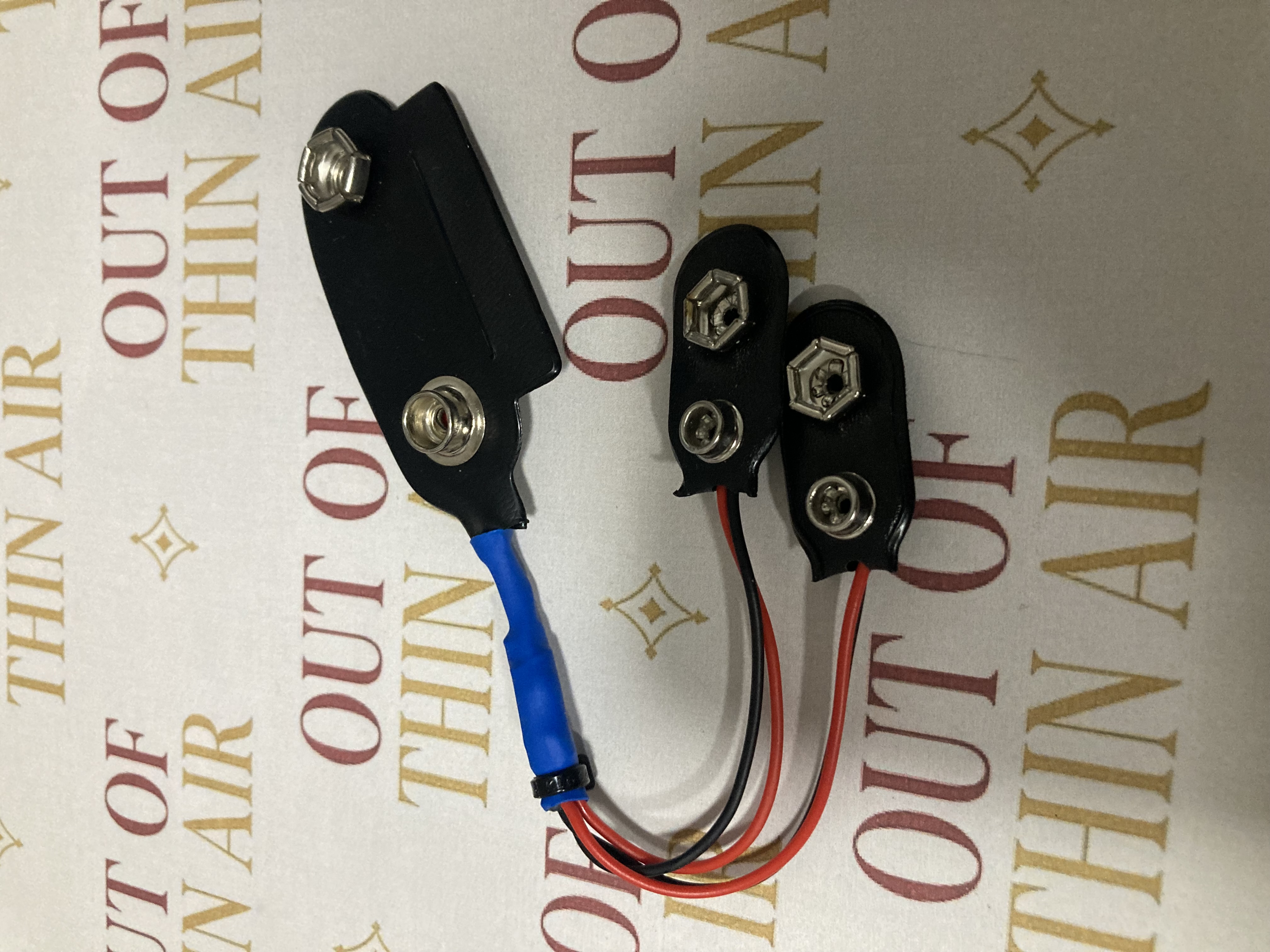
This adapter replaces that battery with two everyday PP3 (6F22 / MN1604) 9 V cells wired in parallel. Voltage stays at 9 V, the same as the original PP7. Capacity is about double that of a single PP3, so runtime is useful for occasional listening. Fit two fresh cells, clip the adapter to the radio’s existing PP7 connectors, and switch on. No rewiring of the set.
Typical sets that used a PP7 include Bush TR90 / TR90C, General Electric P745, P755A and P805, Dansette portables, and various Roberts and other British transistor radios, plus some meters and recorders. If your compartment and snaps were made for a PP7, this is the matching supply.
Bullets
- Replaces the obsolete PP7 / 266 / NEDA 1605 9 V battery
- Uses two standard PP3 9 V batteries (not included)
- Cells in parallel: 9 V output, matching the original battery
- Plugs into the radio’s existing PP7 snap connectors — no modification
- Reusable; swap the PP3s when they run down
- Alkaline or rechargeable 9 V cells both work (runtime varies)
What’s included
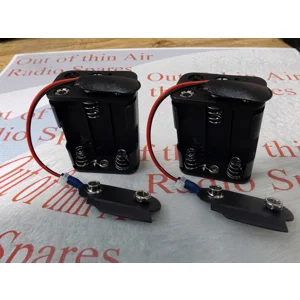
1 × PP7 adapter for two PP3 cells. Batteries not included.
Use
- Fit two PP3s of the same brand, type and age, both fresh. Parallel cells can discharge into each other if one is weaker.
- Polarity follows the original snaps: do not force a connector on the wrong way.
- Check the battery space in your set. The adapter is meant to sit where the PP7 sat; very tight compartments may need the cells arranged to clear the speaker or chassis.
- A PP7 was physically larger and higher capacity than a modern PP3. Two alkalines will not match an original zinc-carbon PP7 for very long sessions; for heavy use, fresh alkaline cells are the better choice.
Product Code: 02RHV62
Brand: Outofthinair
Product Condition : New

Updating Order Details
Please do not refresh or navigate away from the page!
Related Products